Proven Results
Measurable Outcomes in
Complex Environments
Every engagement we take on operates under real constraints — compressed timelines, constrained resources, and high-stakes operational environments. These are the results we've delivered.
Enabling International Widebody Phase A-Checks
Converting a domestic dependency into a sustainable international operating model.
Executive Summary
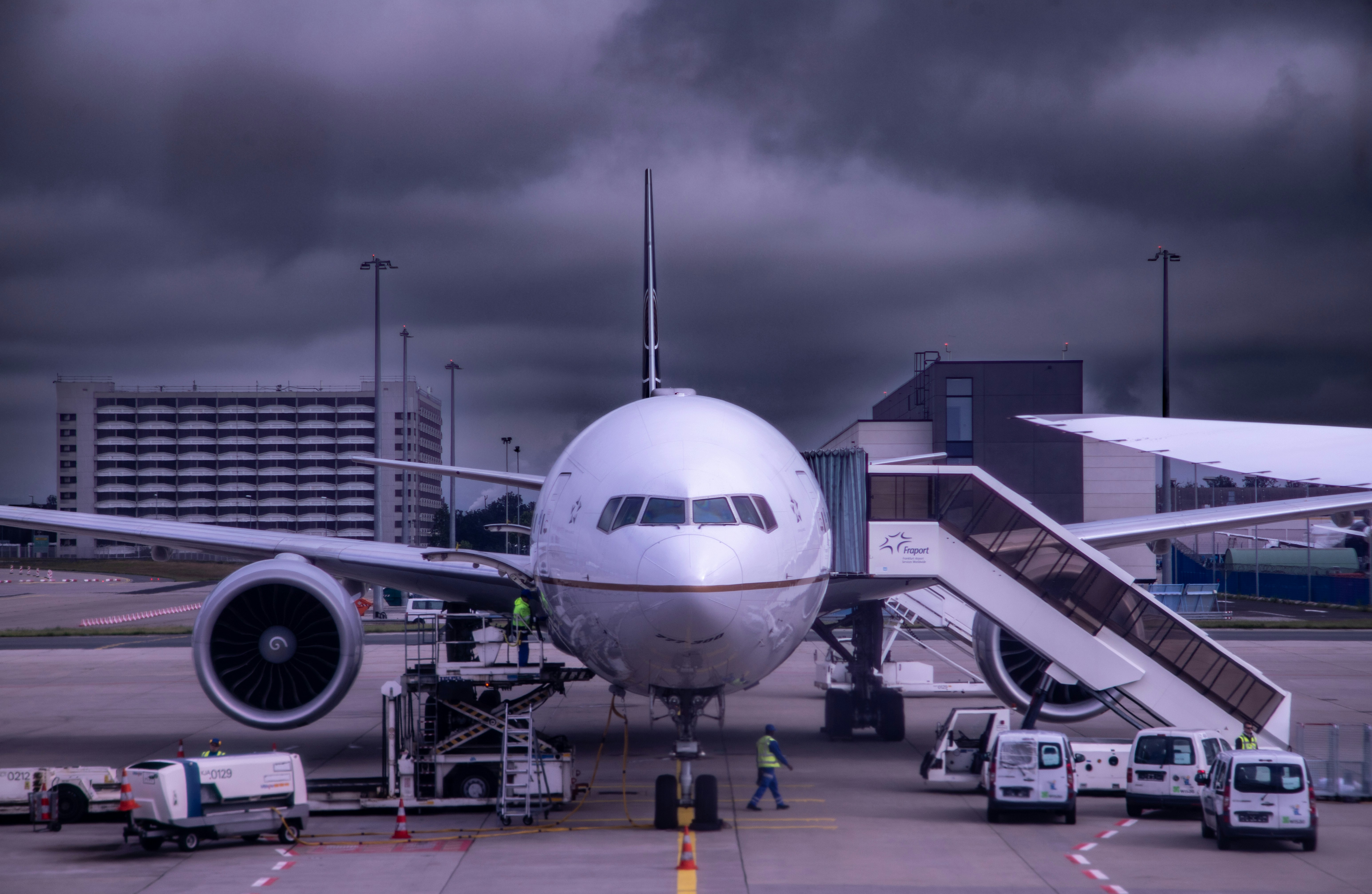
A global widebody operator required a strategic shift to perform Phase A-checks at international stations — a transition driven by network demand but constrained by operating conditions that made standard approaches unworkable. With 12-hour ground windows, no hangar access, and significant customs friction for material transfers, the engagement required a fundamental redesign of how the maintenance program was structured, staged, and executed.
Prometheus deployed our five-stage methodology across the full engagement — assessing the structural limitations of the existing domestic-dependent planning architecture, modeling alternative execution configurations under the operational constraints, and delivering a phased implementation blueprint that converted a constraint-driven workaround into a repeatable, network-sustainable operating model.
The Challenge
Executing widebody Phase A-check scope in a high-tempo international environment presented three structural constraints that could not be solved by simply deploying additional resources.
Compressed Timelines
A strict 12-hour ground time window left zero margin for maintenance delays, check overflows, or the coordination friction typical of international operations. Every task sequence, material staging decision, and technician deployment had to be engineered to fit inside this constraint without compromise.
Logistical Friction
Frequent customs requirements for cross-border material transfers introduced coordination risk and timing variability that made standard just-in-time material strategies unworkable. The logistics model had to be redesigned to eliminate customs exposure as a schedule risk factor.
Resource Scarcity
Target international stations offered limited local maintenance resources and, critically, no hangar access. All check activities had to be designed for in-station, open-ramp execution — with no fallback to a covered maintenance environment if conditions deteriorated.
The Solution
Prometheus shifted the engagement from a constraint-management mindset to a repeatable operating model design — restructuring the maintenance program, the logistics architecture, and the execution framework around the realities of international operations rather than trying to force a domestic model into an incompatible environment.
Maintenance Program Re-Scoping
Revised Phase A task scope and sequencing to reflect the specific constraints of an international turn — eliminating tasks incompatible with open-ramp execution, restructuring task density to fit the 12-hour window, and validating interval logic against the new execution model.
Strategic Material Staging
Pre-positioned critical materials, tooling, and consumables at target international stations to eliminate customs transfer risk as a schedule variable. Designed a station-specific inventory model that maintained minimum stock levels without generating excess customs liability.
In-Station Execution Model
Implemented a staged support deployment model that provided the right technician skill-mix and supervision at each target station. Standardized the execution sequence across stations to create a repeatable, auditable process that network operations could sustain without ongoing advisory support.
The Result
100% of widebody Phase A-checks are now successfully performed at international stations.
"This engagement demonstrates how changing the maintenance operating model — rather than simply adding labor — can unlock significant fleet availability. The constraint was never resources; it was the architecture of how the program was designed to execute."
Automated Maintenance Tools (AMT): Transforming Tech Ops Planning
How Prometheus utilized technology to implement and sustain process change.
Executive Summary
The Automated Maintenance Tools (AMT) project modernized and optimized Tech Ops Planning by moving processes from several green-screen and business-written applications to the cloud. Two significant modules of this transformation were the Engineering Authorization (EA) planning and Line Maintenance scheduling components.
By implementing new scheduling tools and the EA System Enterprise (EASE), the Line Planning organization successfully transitioned from a manual, reaction-based process to a highly automated, exception-driven operation. Prometheus deployed our comprehensive methodology to assess the technology gaps, model the new workflow architecture, and deliver sustained implementation that enabled significant fleet growth without proportional headcount increases.
The Challenge
Prior to the AMT project, Tech Ops planning suffered from a lack of data visibility and heavily relied on disconnected workflows that made efficient operations nearly impossible.
Manual Data Tracking
The planning process was extremely manual, requiring teams to collect and consolidate data from multiple sources to gain visibility into Engineering Authorizations. Planners relied on manual spreadsheet tracking to manage projects, with critical parameters not captured in a structured manner.
Non-Standardized Communication
Communication to Planning was non-standardized, with updates primarily emailed to stakeholders, creating a dependency on email tracking. This led to information silos and coordination inefficiencies across workgroups.
Reaction-Based Workflows
The legacy line planning business process was traditionally reaction-based, making it difficult to manage workload efficiently. Teams had no forward visibility to proactively plan and optimize resource allocation.
The Solution
To address these risks and inefficiencies, the AMT project introduced targeted tools designed to establish clear ownership, increase visibility, and automate repetitive tasks across the maintenance lifecycle.
Engineering Authorization Planning (EASE)
The EASE tool was developed to enhance Tech Ops Project Planning by providing EA information, baseline monitoring, and alerting functionality. EASE acts as an on-demand single source of truth that details the accomplishment status of all open EA projects in one place, replacing manual tracking methods. The system automates the consolidation of information from various distinct workgroups, including Maintenance Programs, Engineering, Procurement, Base Planning, Line Planning, Operations, Facilities, and Tooling.
Line Maintenance Auto Scheduler & Planning
The Line Planning team utilized new technology to transform their daily operations and automate highly repetitive scheduling tasks. The new Forecast Search and Package Creation tool streamlines the workflow by allowing planners to build packages directly from the forecast search screen. A Line Package Builder was introduced, enabling users to select multiple items from the forecast and consolidate them into a single work package with just a few clicks.
The Result
The technology delivered through the AMT project directly supported a more efficient and capable Line Planning organization.
"This engagement demonstrates how technology can drive sustained process change when implemented through a structured methodology. The result wasn't just new tools — it was a fundamental shift from reactive to proactive planning operations."
Our Approach
Every Result Follows
the Same Methodology
The outcomes in our case studies aren't one-off successes — they're repeatable products of our disciplined methodology applied rigorously to a specific operational environment. The approach is consistent; the application is always calibrated to the client.
Your Operation, Next
Let's Build Your Case Study
Every engagement starts with a comprehensive diagnostic — a structured assessment that delivers a quantified opportunity map and a prioritized blueprint for your operation.